Water bills in the United States are commonly used as routine account statements that summarize water service usage, service periods, and associated charges for residential, commercial, or municipal accounts. While the underlying purpose of these documents is broadly consistent nationwide, the way information is structured, labeled, and visually presented can vary depending on regional practices, administrative systems, and service frameworks.
This page provides a country-level reference to how water bills in the United States are typically formatted from a document layout and structural perspective. It is intended as an educational overview of common patterns rather than an official or provider-specific guide. Individual water bill formats may differ significantly across states, municipalities, and billing platforms.
Typical Layout Structure of Water Bills in the United States
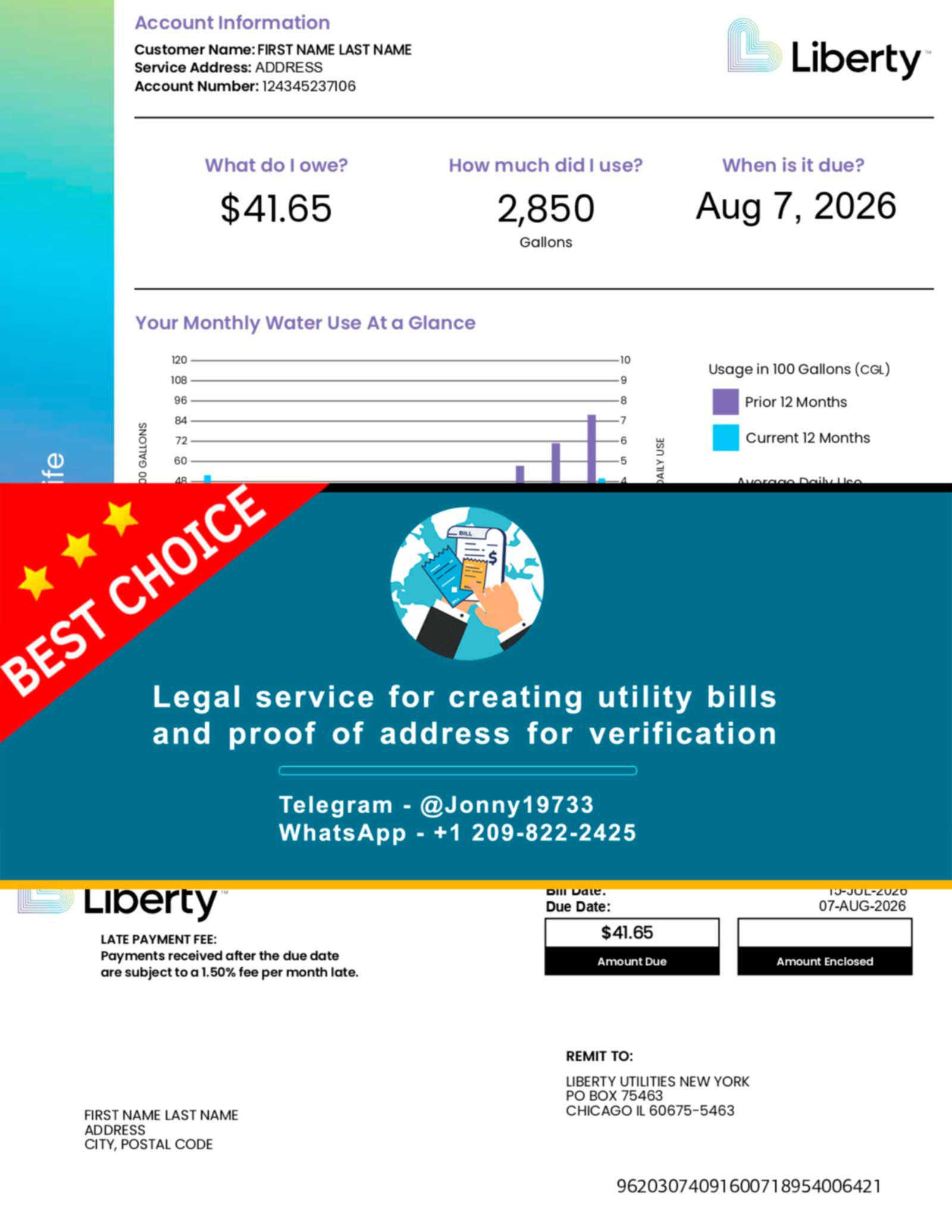
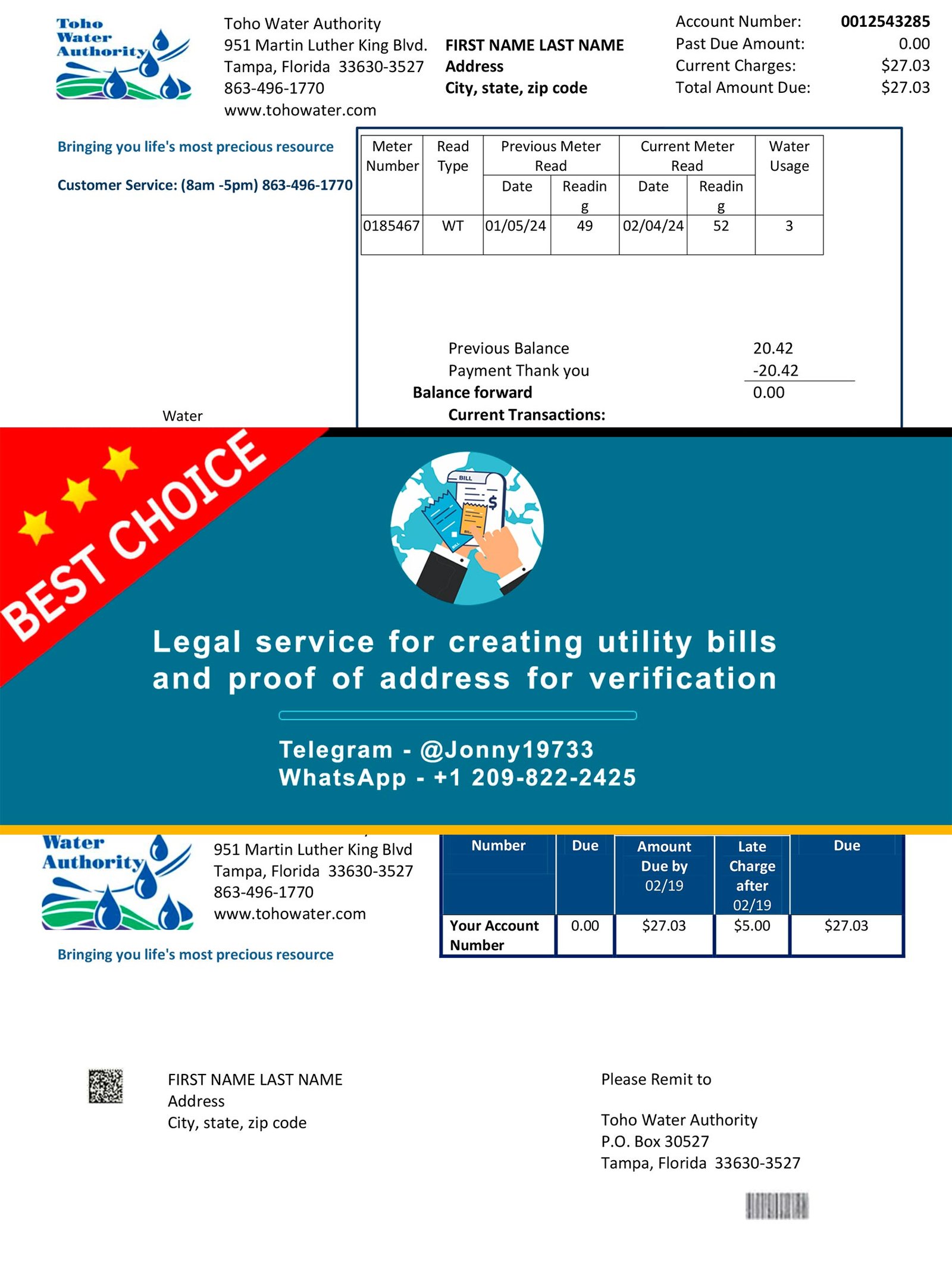
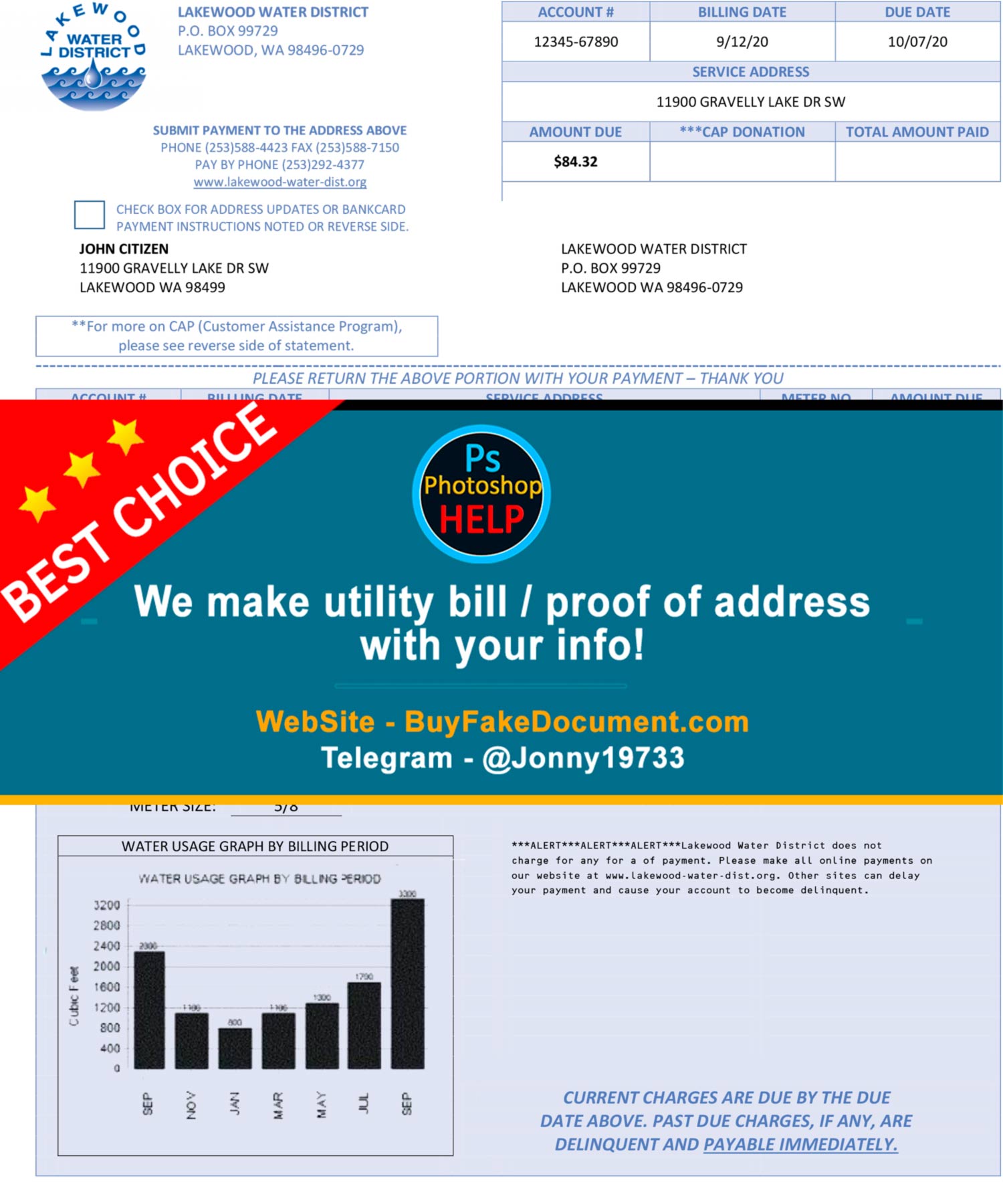
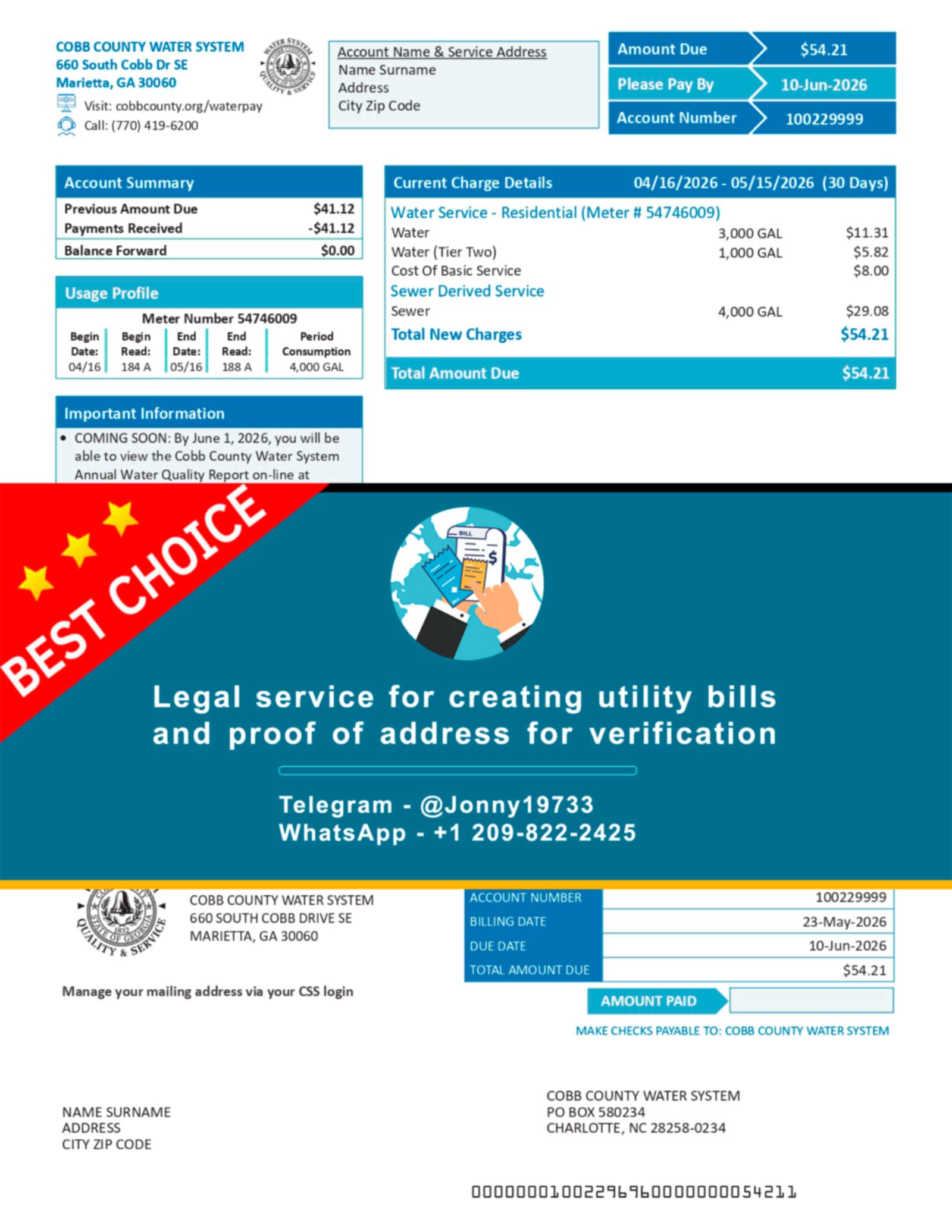
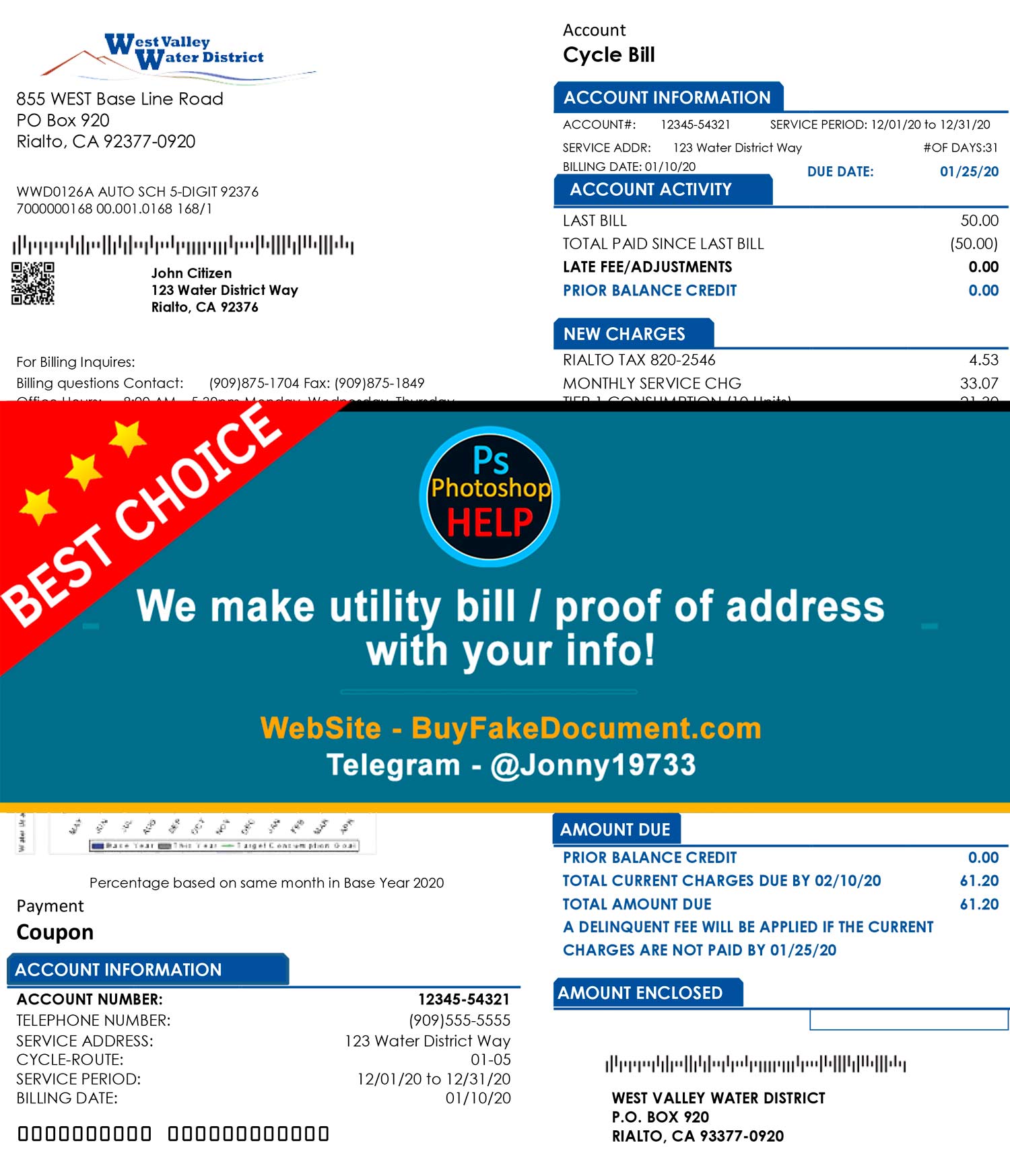
Most U.S. water bills follow a multi-section layout designed to separate identification details, usage information, and billing summaries into clearly defined areas. Information is usually presented in a top-down hierarchy to allow readers to locate key details efficiently without reviewing the entire document.
A commonly observed structure includes an upper section containing account and service identifiers, a central section focused on consumption and billing calculations, and a lower section summarizing totals and payment-related references. Supporting elements such as tables, dividers, or shaded blocks are often used to visually distinguish these sections, although the specific design approach varies.
This structured layout reflects general document design conventions used in many administrative statements within the United States and prioritizes readability over decorative formatting.
Common Information Displayed on Water Bills
While the exact fields shown on a water bill may differ, many U.S. formats include a recurring set of informational elements presented in a standardized manner. These typically relate to identifying the account, defining the billing period, and summarizing usage and charges.
Commonly displayed information may include an account reference number, service address, billing cycle dates, and a summary of water usage measured over the applicable period. Usage figures are often shown in standardized units, with corresponding calculations that explain how charges are derived. Additional line items may appear to reflect service-related fees or adjustments, depending on the billing framework.
The presence, naming, and ordering of these elements can vary, and no single configuration should be considered universal across all U.S. water bills.
Country-Specific Formatting Characteristics
Water bill formats in the United States typically use English-language labels and numeric conventions common to U.S. administrative documents. Dates are generally displayed using month–day–year ordering, and numeric values follow standard U.S. formatting practices.
Billing periods are often expressed as clearly defined start and end dates, with usage totals presented for that interval. In many layouts, monetary amounts are grouped together in a summary area to emphasize totals, while usage details are displayed separately to support transparency and review.
Visual presentation tends to favor clarity and functional organization rather than dense text, with ample spacing and alignment used to improve legibility across both printed and digital versions.
Visual Readability and Document Structure
Readability plays an important role in the design of water bills in the United States. Many layouts are structured to guide the reader’s attention from identification details to usage information and finally to summarized charges.
Consistent alignment, clear headings, and structured tables are commonly used to reduce ambiguity when interpreting figures. Visual separation between sections helps ensure that different categories of information are not conflated, especially in documents that contain multiple numerical values.
These design choices reflect broader document standards used in utility and administrative communications, emphasizing comprehension rather than visual complexity.
PDF and Image Formats Commonly Used
Water bill documents in the United States are frequently distributed in static digital formats such as PDF files or image-based representations. These formats are well suited for preserving layout integrity across different devices and viewing environments.
From a technical standpoint, such formats allow consistent rendering of tables, alignment, and spacing, regardless of screen size or operating system. Image-based versions may also be used to replicate printed layouts for visual reference purposes.
The use of these formats is primarily related to document presentation and does not imply any particular platform compatibility or official status.
How Water Bill Formats May Differ Across Regions Within the United States
Although many structural elements are shared at a national level, water bill formats in the United States can vary notably between states, cities, and local service areas. Differences may appear in terminology, layout emphasis, or the way usage and charges are grouped.
Some regions may prioritize detailed usage breakdowns, while others present more condensed summaries. Variations may also arise from differing administrative systems or historical formatting conventions adopted at the local level.
For this reason, country-level patterns should be viewed as a general reference point rather than a definitive standard, and users are encouraged to review region-specific formats for more localized context.
Explore Regional Water Bill Formats in the United States
For more localized references, you may explore region-specific pages that examine how water bill formats are presented within particular states or service areas in the United States. These pages provide additional context on regional layout variations while building on the country-level structure outlined here.
State-Level Water Bill Layout References — United States
While water bills across the United States serve a similar administrative purpose, their visual structure and information hierarchy can vary notably by state and local authority. The following state-level references provide illustrative examples of how water billing documents are commonly organised in different U.S. jurisdictions, focusing on layout logic rather than official standards or enforceable formats.
-
California water billing document layout reference
— demonstrates how service details, usage summaries, and customer information are typically arranged within a California-based water bill format.
-
Texas municipal water bill structure example
— highlights common layout patterns used in Texas, including the presentation of billing periods, meter readings, and service charges.
-
New York water bill layout illustration
— provides insight into how account summaries and consumption data are visually grouped within a New York water billing context.
-
Florida water bill format overview
— shows a representative layout approach often used in Florida, with emphasis on service sections and payment information placement.
-
Washington state water billing layout reference
— illustrates how water usage data and account identifiers are commonly structured within Washington-based billing documents.
-
Georgia water bill layout example
— presents a state-specific layout reference showing alternative methods of organising charges, service details, and customer records.
These state-level layout references are intended for educational and comparative purposes only, helping readers understand how water billing documents may differ in structure and presentation across various parts of the United States.
Global Water Bill Layout References
Water billing documents are used worldwide to summarise consumption, service periods, and account details, yet their layout and presentation can vary considerably depending on regional practices and administrative systems. While this page focuses on water bill layout references specific to the United States, it can be useful to view these documents within a broader international context.
Readers seeking a higher-level perspective on how water bills are commonly structured across different countries and regions may refer to the
global water bill format reference overview
. This resource provides a consolidated view of general layout patterns observed internationally, offering context beyond a single national framework.
By comparing U.S.-specific water bill layouts with global format references, it becomes easier to distinguish between universally recurring structural elements and those that reflect region- or country-specific billing conventions.
Disclaimer
This page does not provide official water bills and is not affiliated with any water utility provider or public service organization. No acceptance, verification, or approval by any third party is guaranteed. All examples and descriptions are illustrative format references intended for educational, informational, design, and demonstration purposes only. Actual water bill formats may vary by provider, region, and billing platform.

45.jpg)